🌍 Daily English: The Hidden World: Life in the Undergrowth | 2026-04-26
🖼️ Part 1: Daily Quote
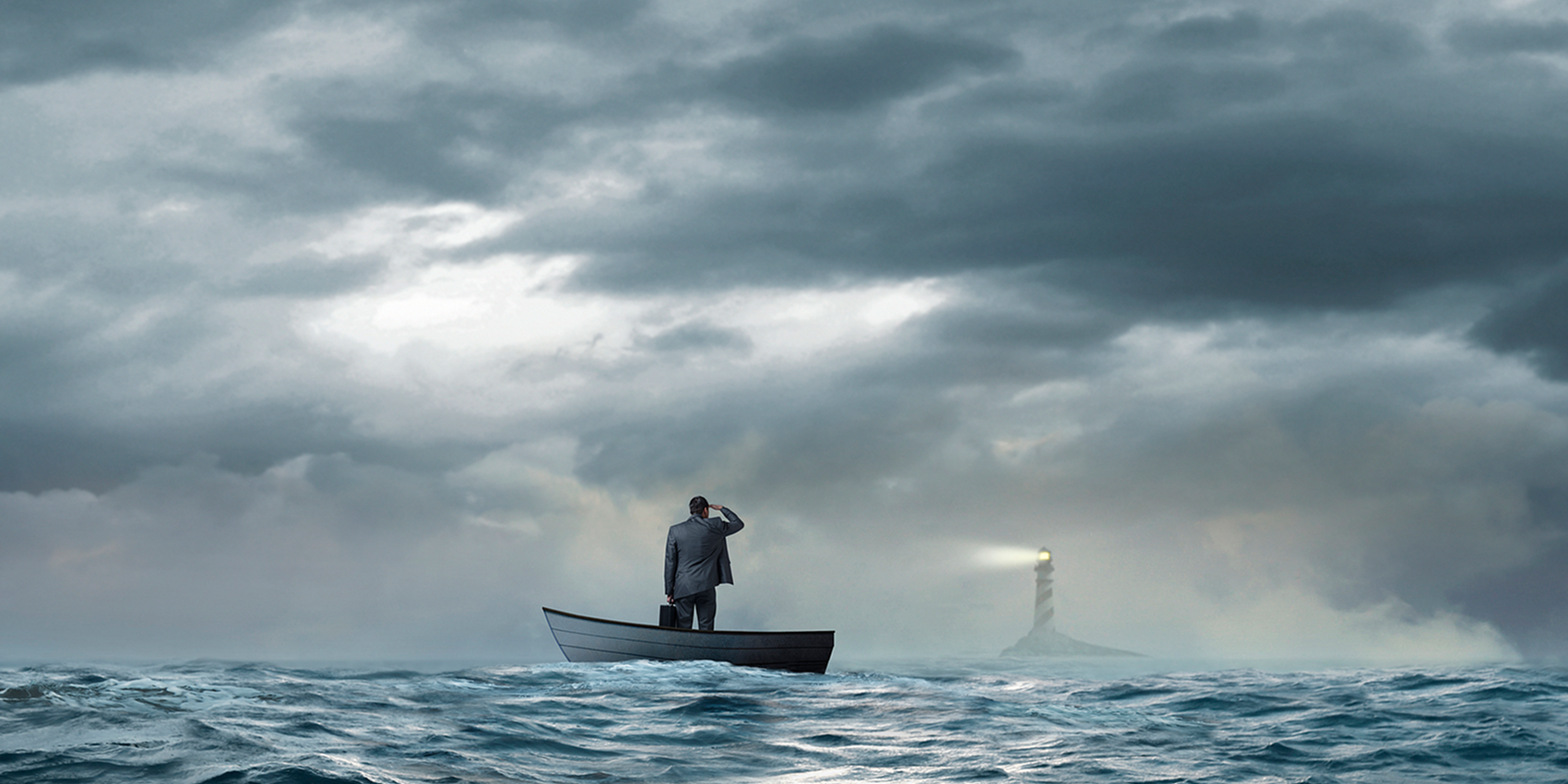
“Small acts of kindness are the stars that navigate lost ships.”
微小的善行,是为迷航的船只引路的星星。
🔑 Part 2: Vocabulary Builder (10 Words)
Here are 10 key words selected from today’s reading on Nature & Wildlife Documentary:
biodiversity
//ˌbaɪ.oʊ.daɪˈvɜːr.sə.ti//- 🇺🇸 the variety of plant and animal life in a particular habitat
- 🇨🇳 生物多样性
- 📝 The documentary highlights the incredible biodiversity of the Amazon rainforest.
ecosystem
//ˈiː.koʊ.sɪs.təm//- 🇺🇸 a biological community of interacting organisms and their physical environment
- 🇨🇳 生态系统
- 📝 Coral reefs are among the most diverse ecosystems on the planet.
migration
//maɪˈɡreɪ.ʃən//- 🇺🇸 seasonal movement of animals from one region to another
- 🇨🇳 迁徙
- 📝 The wildebeest migration across the Serengeti is a spectacular event.
predator
//ˈpred.ə.tɚ//- 🇺🇸 an animal that naturally preys on others
- 🇨🇳 捕食者
- 📝 The lion, as apex predator, plays a crucial role in maintaining the balance of the savanna.
camouflage
//ˈkæm.ə.flɑːʒ//- 🇺🇸 the disguise that allows animals to blend with their surroundings
- 🇨🇳 伪装
- 📝 The chameleon’s camouflage is so effective that it becomes almost invisible.
habitat
//ˈhæb.ɪ.tæt//- 🇺🇸 the natural home or environment of an organism
- 🇨🇳 栖息地
- 📝 Deforestation is destroying the habitat of countless species.
nocturnal
//nɑːkˈtɜːr.nəl//- 🇺🇸 active during the night
- 🇨🇳 夜行的
- 📝 Owls are nocturnal hunters, relying on their keen hearing and vision.
symbiosis
//ˌsɪm.baɪˈoʊ.sɪs//- 🇺🇸 a mutually beneficial relationship between different organisms
- 🇨🇳 共生关系
- 📝 The clownfish and sea anemone exhibit a classic example of symbiosis.
endangered
//ɪnˈdeɪn.dʒɚd//- 🇺🇸 at risk of extinction
- 🇨🇳 濒危的
- 📝 The giant panda is no longer considered endangered, but remains vulnerable.
conservation
//ˌkɑːn.sɚˈveɪ.ʃən//- 🇺🇸 the protection of natural resources and wildlife
- 🇨🇳 保护
- 📝 Effective conservation efforts have helped revive the population of the California condor.
📖 Part 3: Deep Reading
The Hidden World: Life in the Undergrowth
Nature documentaries have long captivated audiences with their breathtaking cinematography and intimate portrayals of wildlife. Among the most compelling subgenres is the exploration of the undergrowth — a miniature universe teeming with life that often goes unnoticed by the casual observer. From the industriousness of ants to the predatory cunning of spiders, the world beneath our feet is a theater of survival, adaptation, and intricate interdependence.
One might assume that life on the forest floor is simple, but nothing could be further from the truth. Take, for example, the leafcutter ant. These tiny engineers do not eat the leaves they cut; rather, they cultivate a fungus that thrives on the foliage. This sophisticated agricultural system predates human farming by millions of years. Similarly, the velvet worm, a creature that has remained virtually unchanged for over 400 million years, uses a slime jet to ensnare its prey — a method so effective that it has outlasted countless evolutionary trends.
The documentary medium allows us to witness these phenomena in unprecedented detail. Through macro photography and night-vision technology, filmmakers reveal a realm where everyday objects become obstacles: a dewdrop is a vast ocean, a fallen twig a formidable barrier. The narrative arc often follows the rhythm of the seasons, from the awakening of spring to the harshness of winter. In each episode, viewers are reminded of the delicate balance that sustains these microcosms.
Yet, amid the wonder, there is a somber undertone. Climate change and habitat destruction pose existential threats to many of these species. The documentary not only educates but also serves as a call to action, urging humanity to recognize the value of biodiversity. As Sir David Attenborough famously noted, “The truth is: the natural world is changing. And we are totally dependent on that world. It provides our food, water, and air. It is the most precious thing we have and we need to defend it.”
In conclusion, nature documentaries about the undergrowth offer more than just entertainment; they provide a window into a hidden world that is both alien and familiar. They challenge our perception of scale and complexity, reminding us that even the smallest creatures have a story worth telling. By fostering a deeper appreciation for the intricacies of life, these films inspire a sense of stewardship that is essential for the preservation of our planet.
💡 Language Highlights
Complex sentence structure: ‘Through macro photography and night-vision technology, filmmakers reveal a realm where everyday objects become obstacles: a dewdrop is a vast ocean, a fallen twig a formidable barrier.’ This sentence uses a colon to introduce an explanation and employs parallel structure (‘a dewdrop is… a fallen twig a formidable barrier’) to create a rhythmic comparison.
Idiom: ‘nothing could be further from the truth’ — used to emphasize that the opposite of an assumption is true. In the context, it contradicts the idea that life on the forest floor is simple.
Complex sentence structure: ‘By fostering a deeper appreciation for the intricacies of life, these films inspire a sense of stewardship that is essential for the preservation of our planet.’ This sentence begins with a gerund phrase (‘By fostering…’) and includes a relative clause (‘that is essential…’) to connect cause and effect.
(Content generated by DeepSeek AI; Quote source: Iciba)