🌍 Daily English: The Hidden Symphony: Decoding Nature's Secrets Through Documentary Filmmaking | 2026-04-29
🖼️ Part 1: Daily Quote
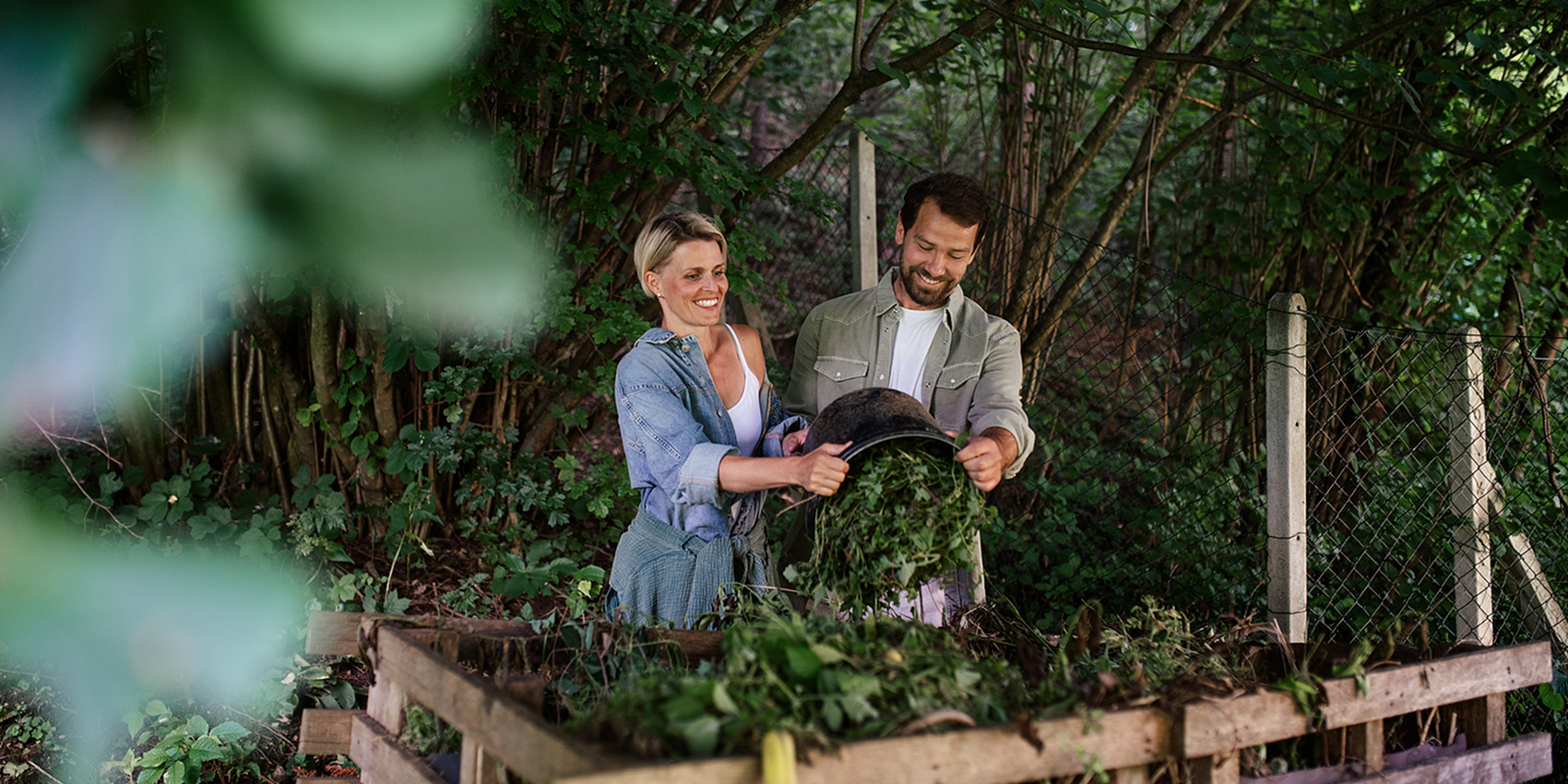
“Let your mistakes be the compost for your future garden.”
让你的错误,成为未来花园的养料。
🔑 Part 2: Vocabulary Builder (10 Words)
Here are 10 key words selected from today’s reading on Nature & Wildlife Documentary:
biodiversity
//ˌbaɪoʊdaɪˈvɜːrsəti//- 🇺🇸 The variety of plant and animal life in a particular habitat or ecosystem.
- 🇨🇳 生物多样性
- 📝 The documentary highlighted the staggering biodiversity of the Amazon rainforest, home to millions of species.
ecosystem
//ˈiːkoʊsɪstəm//- 🇺🇸 A biological community of interacting organisms and their physical environment.
- 🇨🇳 生态系统
- 📝 Coral reefs are among the most productive ecosystems on Earth, supporting a vast array of marine life.
habitat
//ˈhæbɪtæt//- 🇺🇸 The natural home or environment of an animal, plant, or other organism.
- 🇨🇳 栖息地
- 📝 Deforestation is destroying the natural habitat of countless species, pushing them toward extinction.
predator
//ˈpredətər//- 🇺🇸 An animal that naturally preys on others.
- 🇨🇳 捕食者
- 📝 The lion, as an apex predator, plays a crucial role in maintaining the balance of its ecosystem.
camouflage
//ˈkæməflɑːʒ//- 🇺🇸 The use of coloration or patterns to blend in with the environment, often for protection.
- 🇨🇳 伪装
- 📝 The chameleon’s remarkable camouflage allows it to evade predators and ambush prey.
migration
//maɪˈɡreɪʃn//- 🇺🇸 Seasonal movement of animals from one region to another.
- 🇨🇳 迁徙
- 📝 Every year, millions of wildebeest undertake a perilous migration across the Serengeti in search of fresh grazing.
symbiosis
//ˌsɪmbaɪˈoʊsɪs//- 🇺🇸 A mutually beneficial relationship between two different organisms living in close association.
- 🇨🇳 共生关系
- 📝 The clownfish and sea anemone exhibit a classic example of symbiosis, where both species benefit.
nocturnal
//nɑːkˈtɜːrnl//- 🇺🇸 Active during the night rather than the day.
- 🇨🇳 夜间活动的
- 📝 Many nocturnal animals, such as owls and bats, have evolved exceptional night vision.
endangered
//ɪnˈdeɪndʒərd//- 🇺🇸 (Of a species) Seriously at risk of extinction.
- 🇨🇳 濒危的
- 📝 The documentary shed light on the plight of endangered species like the Sumatran tiger.
biodome
//ˈbaɪoʊdoʊm//- 🇺🇸 A human-made, self-contained ecosystem used for research or display.
- 🇨🇳 生物圈实验室
- 📝 Researchers study plant growth in a biodome to simulate conditions on other planets.
📖 Part 3: Deep Reading
The Hidden Symphony: Decoding Nature’s Secrets Through Documentary Filmmaking
In the golden hour light of the African savanna, a lioness crouches low, her muscles tensed like coiled springs. The camera, positioned at ground level, captures every breath, every flick of her tail. This is the world of nature documentary filmmaking—a realm where art meets science, and storytelling merges with conservation. As audiences around the globe tune in to witness the marvels of the natural world, these films do more than entertain; they educate, inspire, and often sound an urgent alarm.
The process of creating a documentary about wildlife is as challenging as it is rewarding. Filmmakers spend months, sometimes years, in remote locations, enduring extreme weather and treacherous terrain to capture moments that are both rare and revealing. They employ cutting-edge technology—drones that fly silently above the canopy, camera traps triggered by motion, and underwater housings that withstand crushing pressure. The result is a window into ecosystems that few humans ever see firsthand.
But the true power of these documentaries lies in their ability to foster a sense of wonder and responsibility. When viewers watch a polar bear on a shrinking ice floe, they are not just observing an animal—they are witnessing the impact of climate change. When they see a coral reef bleached white, they understand the fragility of marine environments. This emotional connection can drive conservation efforts, as people are moved to protect what they have come to love.
The art of narration also plays a pivotal role. A well-crafted script weaves scientific facts into a compelling narrative, often drawing parallels between animal behavior and human experience. Phrases like “the circle of life” or “survival of the fittest” become lenses through which we view our own world. Meanwhile, the score—a symphony of orchestral music and natural sounds—underscores the drama, from the tense silence of a hunt to the joyful cacophony of a bird dawn chorus.
Yet, despite the beauty and insight they offer, nature documentaries also raise ethical questions. To what extent should filmmakers intervene when an animal is in danger? How much manipulation of footage is acceptable? True storytellers navigate these dilemmas with integrity, prioritizing the well-being of their subjects over sensationalism. They know that the ultimate goal is not just to capture stunning images, but to preserve the very subjects of those images for generations to come.
In the end, every nature documentary is a testament to the interconnectedness of life on Earth. It reminds us that we, too, are part of this vast, intricate web—and that our choices have consequences. As Sir David Attenborough once said, “The natural world is the greatest source of excitement; the greatest source of visual beauty; the greatest source of intellectual interest. It is the greatest source of so much in life that makes life worth living.” Documentaries are our invitation to explore that source, to marvel at its wonders, and to commit ourselves to its protection.
💡 Language Highlights
‘The camera, positioned at ground level, captures every breath, every flick of her tail.’ — This sentence uses a non-restrictive participial phrase (‘positioned at ground level’) to provide descriptive detail, and employs parallel structure (‘every breath, every flick of her tail’) for rhythmic emphasis, enhancing the vividness of the scene.
‘When viewers watch a polar bear on a shrinking ice floe, they are not just observing an animal—they are witnessing the impact of climate change.’ — This is a complex sentence with a temporal subordinate clause (‘When viewers watch…’), followed by a main clause with a dash that introduces a contrasting parallel structure (‘not just… but…’), effectively shifting from the concrete to the abstract, from observation to interpretation.
‘True storytellers navigate these dilemmas with integrity, prioritizing the well-being of their subjects over sensationalism.’ — The gerund phrase ‘prioritizing the well-being of their subjects over sensationalism’ serves as an adverbial modifier, explaining how the storytellers navigate dilemmas. This structure adds depth by specifying the manner of action, conveying ethical judgment concisely.
(Content generated by DeepSeek AI; Quote source: Iciba)