🌍 Daily English: The Power of Ideas: How TED Talks Reshape Our Worldview | 2026-05-04
🖼️ Part 1: Daily Quote
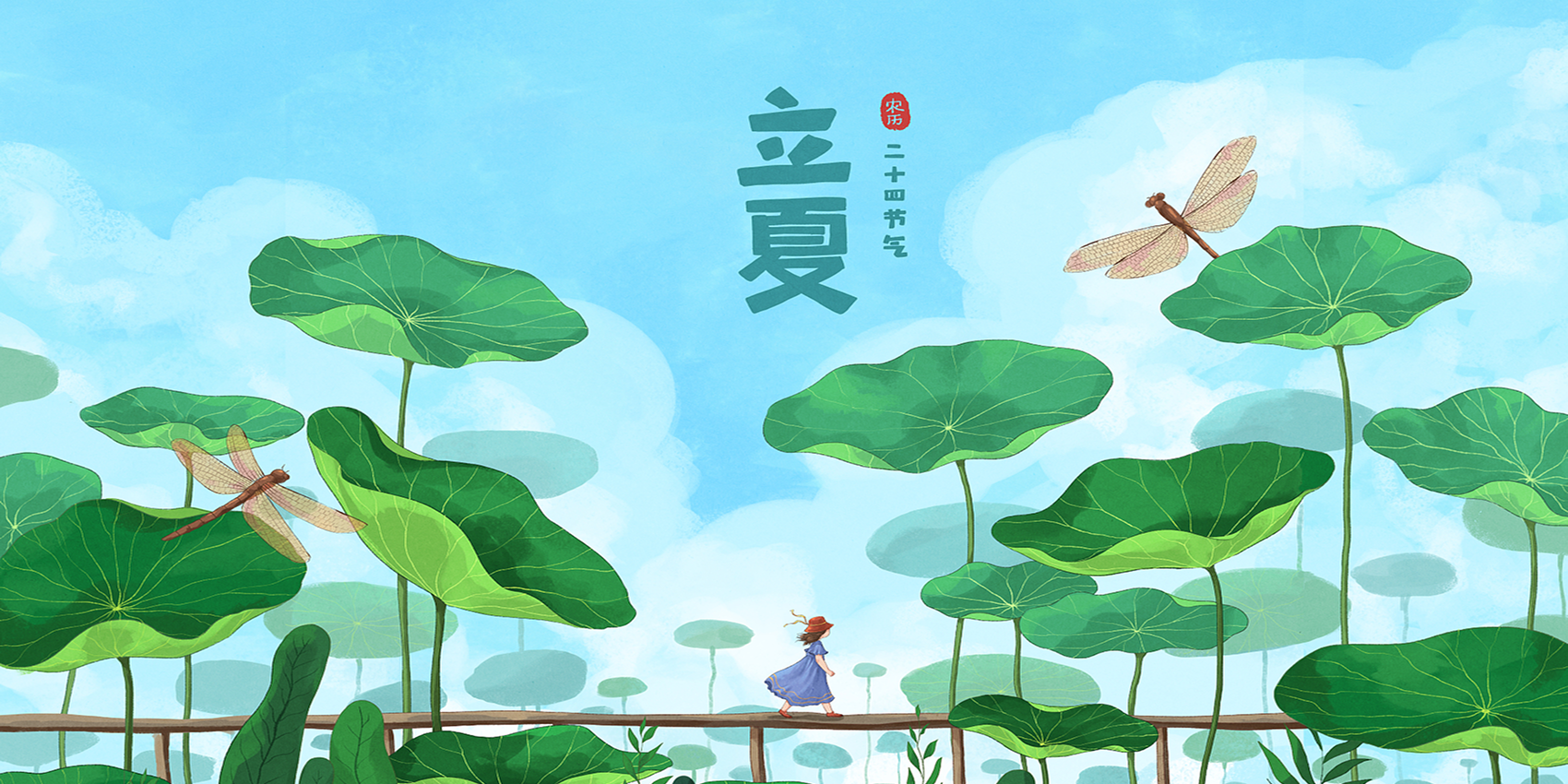
“A cool breeze still visits, saying goodbye to spring.”
凉风偶尔到访,与春天告别。
🔑 Part 2: Vocabulary Builder (10 Words)
Here are 10 key words selected from today’s reading on TED Talk (Inspirational & Educational):
grit
//ɡrɪt//- 🇺🇸 courage and resolve; strength of character
- 🇨🇳 毅力;勇气
- 📝 Angela Duckworth’s research shows that grit is a better predictor of success than IQ.
resilience
//rɪˈzɪliəns//- 🇺🇸 the capacity to recover quickly from difficulties
- 🇨🇳 韧性;恢复力
- 📝 Building resilience is essential for navigating the inevitable setbacks in life.
empathy
//ˈempəθi//- 🇺🇸 the ability to understand and share the feelings of another
- 🇨🇳 同理心
- 📝 TED speakers often emphasize the role of empathy in fostering human connection.
paradigm
//ˈpærədaɪm//- 🇺🇸 a typical example or pattern of something; a model
- 🇨🇳 范式;典范
- 📝 Simon Sinek’s ‘Start with Why’ presents a paradigm shift in leadership thinking.
vulnerability
//ˌvʌlnərəˈbɪləti//- 🇺🇸 the quality or state of being exposed to the possibility of being attacked or harmed
- 🇨🇳 脆弱性;弱点
- 📝 Brené Brown’s talk on vulnerability reveals it as a source of courage and connection.
disruptive
//dɪsˈrʌptɪv//- 🇺🇸 causing or tending to cause disruption, especially to existing systems or norms
- 🇨🇳 颠覆性的
- 📝 Many TED Talks highlight disruptive innovation that challenges traditional industries.
contagious
//kənˈteɪdʒəs//- 🇺🇸 (of an emotion, attitude, etc.) likely to spread to and affect others
- 🇨🇳 有感染力的;蔓延的
- 📝 Passion is contagious, and TED speakers often ignite a spark in their audience.
interconnectedness
//ˌɪntərkəˈnektɪdnəs//- 🇺🇸 the state of being connected with each other
- 🇨🇳 相互关联性
- 📝 The talk explored the interconnectedness of global economies and ecosystems.
cognitive
//ˈkɒɡnɪtɪv//- 🇺🇸 relating to the mental processes of perception, memory, judgment, and reasoning
- 🇨🇳 认知的
- 📝 Cognitive biases can distort our decision-making, as explained in the talk.
transformative
//trænsˈfɔːmətɪv//- 🇺🇸 causing a marked change in someone or something
- 🇨🇳 变革性的;有改造力的
- 📝 Education can be a transformative force, as many inspiring TED speakers attest.
📖 Part 3: Deep Reading
The Power of Ideas: How TED Talks Reshape Our Worldview
In an era saturated with information, it is the rare idea that cuts through the noise and leaves an indelible mark on our consciousness. TED Talks, a global phenomenon, have mastered the art of distilling profound concepts into digestible, emotionally resonant narratives. With over a billion views worldwide, these short presentations have become a cornerstone of modern intellectual culture, fostering a community of lifelong learners and changemakers.
At their core, TED Talks thrive on the principle of ‘ideas worth spreading.’ They offer a platform for thinkers, scientists, artists, and activists to share insights that challenge conventional wisdom. For instance, Sir Ken Robinson’s iconic talk on creativity in education argued that schools systematically stifle creative potential, a provocative thesis that sparked international debate. Similarly, Chimamanda Ngozi Adichie’s ‘The Danger of a Single Story’ illuminated how stereotypes arise from incomplete perspectives, urging us to embrace complexity.
The magic of a TED Talk lies not just in the content but in the delivery. Speakers are trained to master the art of storytelling, weaving personal anecdotes with empirical evidence to create a compelling arc. This structure, often referred to as the ‘TED formula,’ relies on a clear problem-solution framework, a surprising hook, and a call to action, all within 18 minutes. The constraint, paradoxically, fosters creativity; it forces speakers to prioritize the essential and abandon the extraneous.
Moreover, TED Talks have democratized access to cutting-edge ideas. Platforms like TED-Ed and TEDx have spawned a grassroots movement, allowing anyone to organize local events. This decentralization has amplified diverse voices, from a teenage inventor in rural India to a former prisoner advocating for criminal justice reform. The result is a rich tapestry of perspectives that transcends geographical and cultural boundaries.
Critics, however, caution against the ‘TEDification’ of knowledge, warning that oversimplification can lead to misinterpretation. Complex scientific discoveries, when reduced to 18-minute glosses, may lose nuance and mislead the public. Yet, proponents argue that even an imperfect spark can ignite deeper curiosity—a worthy trade-off.
In an age of polarization, TED Talks serve as a beacon of optimism, reminding us that human ingenuity and compassion can solve our gravest challenges. As we watch a speaker step onto the iconic red circle, we are not merely passive consumers but participants in a global conversation. The ideas we encounter may linger, germinate, and eventually, transform the way we see the world.
💡 Language Highlights
Three complex sentence structures or idioms used:
- ‘With over a billion views worldwide, these short presentations have become a cornerstone of modern intellectual culture, fostering a community of lifelong learners and changemakers.’ — This uses a participial phrase (‘fostering…’) to provide additional information about the main clause’s effect, adding depth and flow.
- ‘The constraint, paradoxically, fosters creativity; it forces speakers to prioritize the essential and abandon the extraneous.’ — The semicolon connects two closely related independent clauses, and the adverb ‘paradoxically’ introduces a contrast that enriches the meaning.
- ‘The magic of a TED Talk lies not just in the content but in the delivery.’ — The correlative conjunction ‘not just… but…’ is used to emphasize that both aspects are important, but the latter is equally or more significant. This is a common structure for building rhetorical balance.
(Content generated by DeepSeek AI; Quote source: Iciba)