🌍 Daily English: The Architecture of Mind: How Cognitive Psychology Illuminates Mental Health | 2026-05-15
🖼️ Part 1: Daily Quote
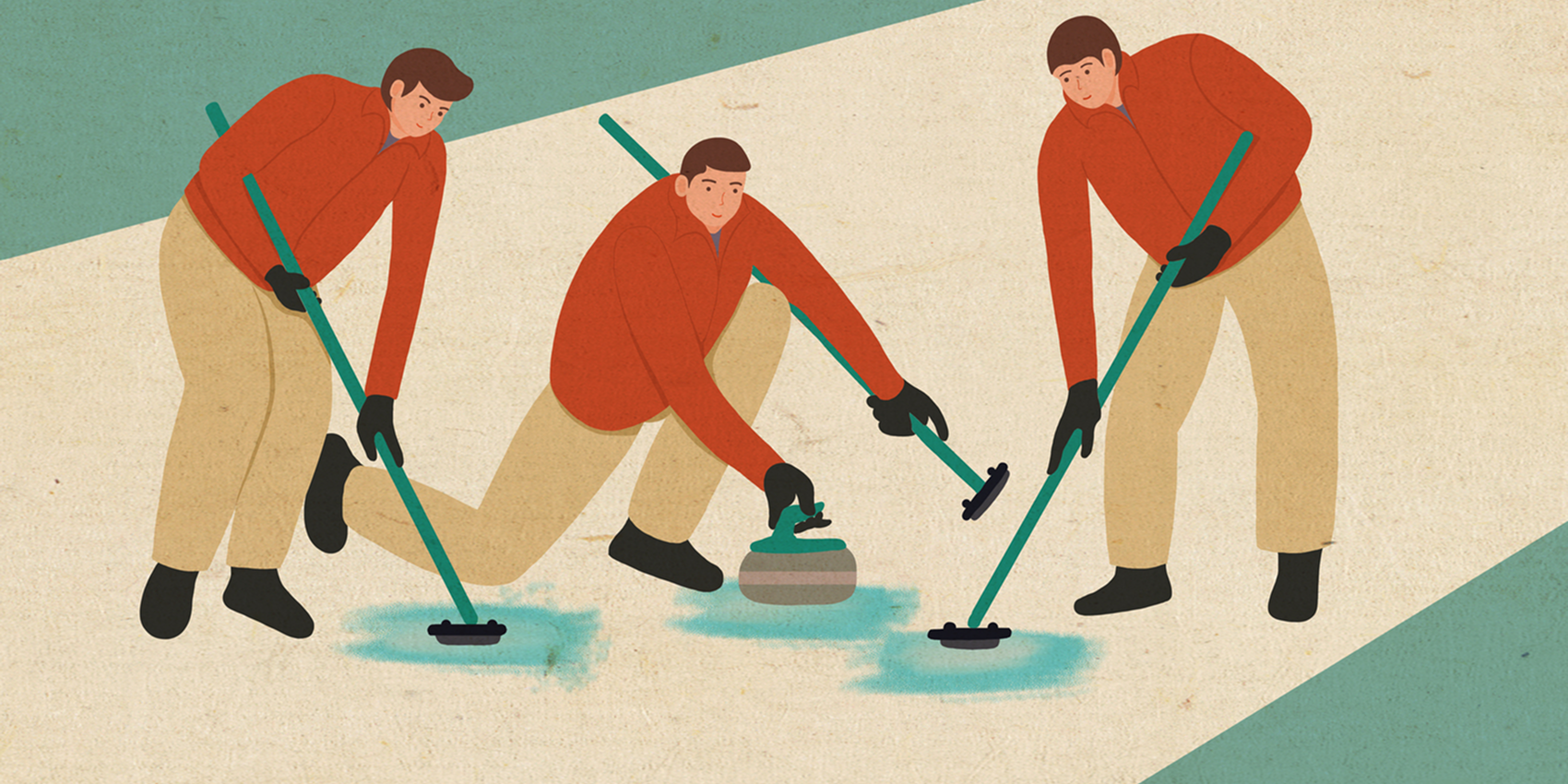
“I’ve found 10,000 ways that won’t work.”
我找到了10,000种行不通的方法。
🔑 Part 2: Vocabulary Builder (10 Words)
Here are 10 key words selected from today’s reading on Cognitive Psychology & Mental Health:
metacognition
//ˌmɛtəkɒɡˈnɪʃən//- 🇺🇸 Awareness and understanding of one’s own thought processes.
- 🇨🇳 元认知
- 📝 Metacognition allows individuals to monitor their own learning strategies and adjust them for better outcomes.
neuroplasticity
//ˌnjʊərəʊplæˈstɪsɪti//- 🇺🇸 The ability of the brain to form and reorganize synaptic connections, especially in response to learning or experience.
- 🇨🇳 神经可塑性
- 📝 Neuroplasticity underpins the brain’s capacity to recover from injury and adapt to new environments.
cognitive dissonance
//ˈkɒɡnɪtɪv ˈdɪsənəns//- 🇺🇸 The mental discomfort experienced by a person who holds two or more contradictory beliefs, values, or ideas.
- 🇨🇳 认知失调
- 📝 To reduce cognitive dissonance, he convinced himself that the job he turned down was not a good fit anyway.
rumination
//ˌruːmɪˈneɪʃən//- 🇺🇸 Deep or considered thought; often refers to repetitive, negative thinking patterns in psychology.
- 🇨🇳 反刍思维;沉思
- 📝 Chronic rumination is a risk factor for depression and anxiety disorders.
attributional style
//ˌætrɪˈbjuːʃənəl staɪl//- 🇺🇸 The way individuals explain the causes of events in their lives, often classified as optimistic or pessimistic.
- 🇨🇳 归因风格
- 📝 A positive attributional style can buffer against the effects of stress and promote resilience.
executive function
//ɪɡˈzekjʊtɪv ˈfʌŋkʃən//- 🇺🇸 A set of cognitive processes that are necessary for the cognitive control of behavior, including attention, inhibition, and working memory.
- 🇨🇳 执行功能
- 📝 Executive function skills, such as impulse control and task-switching, are crucial for academic and professional success.
emotional regulation
//ɪˈməʊʃənl ˌreɡjʊˈleɪʃən//- 🇺🇸 The ability to manage and respond to an emotional experience in a socially acceptable and flexible way.
- 🇨🇳 情绪调节
- 📝 Mindfulness meditation has been shown to improve emotional regulation by enhancing prefrontal cortex activity.
schema
//ˈskiːmə//- 🇺🇸 A cognitive framework or concept that helps organize and interpret information.
- 🇨🇳 图式;认知框架
- 📝 When new information conflicts with an existing schema, it may be distorted or rejected to maintain consistency.
resilience
//rɪˈzɪliəns//- 🇺🇸 The capacity to recover quickly from difficulties; toughness in psychological contexts.
- 🇨🇳 韧性;复原力
- 📝 Building resilience involves developing coping strategies and maintaining strong social support networks.
affective forecasting
//əˈfɛktɪv fɔːˈkɑːstɪŋ//- 🇺🇸 The prediction of one’s emotional state in the future, which often suffers from impact bias.
- 🇨🇳 情感预测
- 📝 Affective forecasting errors can lead to poor decision-making, as people overestimate the intensity and duration of future emotions.
📖 Part 3: Deep Reading
The Architecture of Mind: How Cognitive Psychology Illuminates Mental Health
In the labyrinth of human experience, the mind stands as both the architect and the prisoner of its own constructions. Cognitive psychology, the empirical study of mental processes, offers a rigorous framework for understanding how we perceive, remember, and reason—and, crucially, how these processes can falter in mental illness.
At the core of this field lies the concept of neuroplasticity, the brain’s remarkable ability to rewire itself in response to experience. Once thought to be fixed in adulthood, the brain is now known to be malleable throughout life. This insight has revolutionized therapy: cognitive-behavioral therapy (CBT), for instance, leverages neuroplasticity by helping patients reshape maladaptive thought patterns. By repeatedly challenging negative schemas—deeply ingrained cognitive frameworks—individuals can forge new neural pathways that foster resilience.
Yet the mind’s plasticity is a double-edged sword. When exposed to chronic stress, the same mechanisms can entrench dysfunctional patterns. Rumination, the repetitive cycling of negative thoughts, often becomes a mental habit that exacerbates depression. From a cognitive perspective, rumination is a failure of executive function—specifically, the inability to disengage from distressing stimuli. This is where mindfulness-based interventions prove potent: they train attention to break the cycle of perseveration.
Another cornerstone is attributional style, which reflects how individuals explain life events. A pessimistic attributional style—attributing failures to internal, stable, global causes—is a hallmark of learned helplessness. Conversely, an optimistic style serves as a buffer against adversity. This interplay between cognition and emotion is mediated by emotional regulation, a skill that can be honed through practice.
Cognitive dissonance, too, plays a subtle role in mental health. When beliefs and behaviors clash, the resulting discomfort can motivate change—or lead to self-deception. Recognizing this dissonance is the first step toward therapeutic growth.
In sum, cognitive psychology provides not only a map of mental architecture but also tools for renovation. By understanding schemas, biases, and neural plasticity, we can better navigate the complexities of mental health—and perhaps, become architects of our own well-being.
Analysis:
- “The mind stands as both the architect and the prisoner of its own constructions” – This metaphor uses parallel structure to highlight the dual role of the mind: creative yet constrained. It is a complex sentence with a participial phrase.
- “Cognitive-behavioral therapy… leverages neuroplasticity by helping patients reshape maladaptive thought patterns” – This sentence contains a gerund phrase (“by helping…”) that explains the method, followed by a subordinate clause modifying “patterns.”
- “When beliefs and behaviors clash, the resulting discomfort can motivate change—or lead to self-deception” – This compound sentence uses a dash to introduce an alternative outcome, employing antithesis to emphasize contrasting possibilities.
💡 Language Highlights
- “The mind stands as both the architect and the prisoner of its own constructions” – This metaphor uses parallel structure to highlight the dual role of the mind: creative yet constrained. It is a complex sentence with a participial phrase.
- “Cognitive-behavioral therapy… leverages neuroplasticity by helping patients reshape maladaptive thought patterns” – This sentence contains a gerund phrase (“by helping…”) that explains the method, followed by a subordinate clause modifying “patterns.”
- “When beliefs and behaviors clash, the resulting discomfort can motivate change—or lead to self-deception” – This compound sentence uses a dash to introduce an alternative outcome, employing antithesis to emphasize contrasting possibilities.
(Content generated by DeepSeek AI; Quote source: Iciba)