🌍 Daily English: The Hidden Lives of the Wild: A Journey Through Untamed Ecosystems | 2026-05-23
🖼️ Part 1: Daily Quote
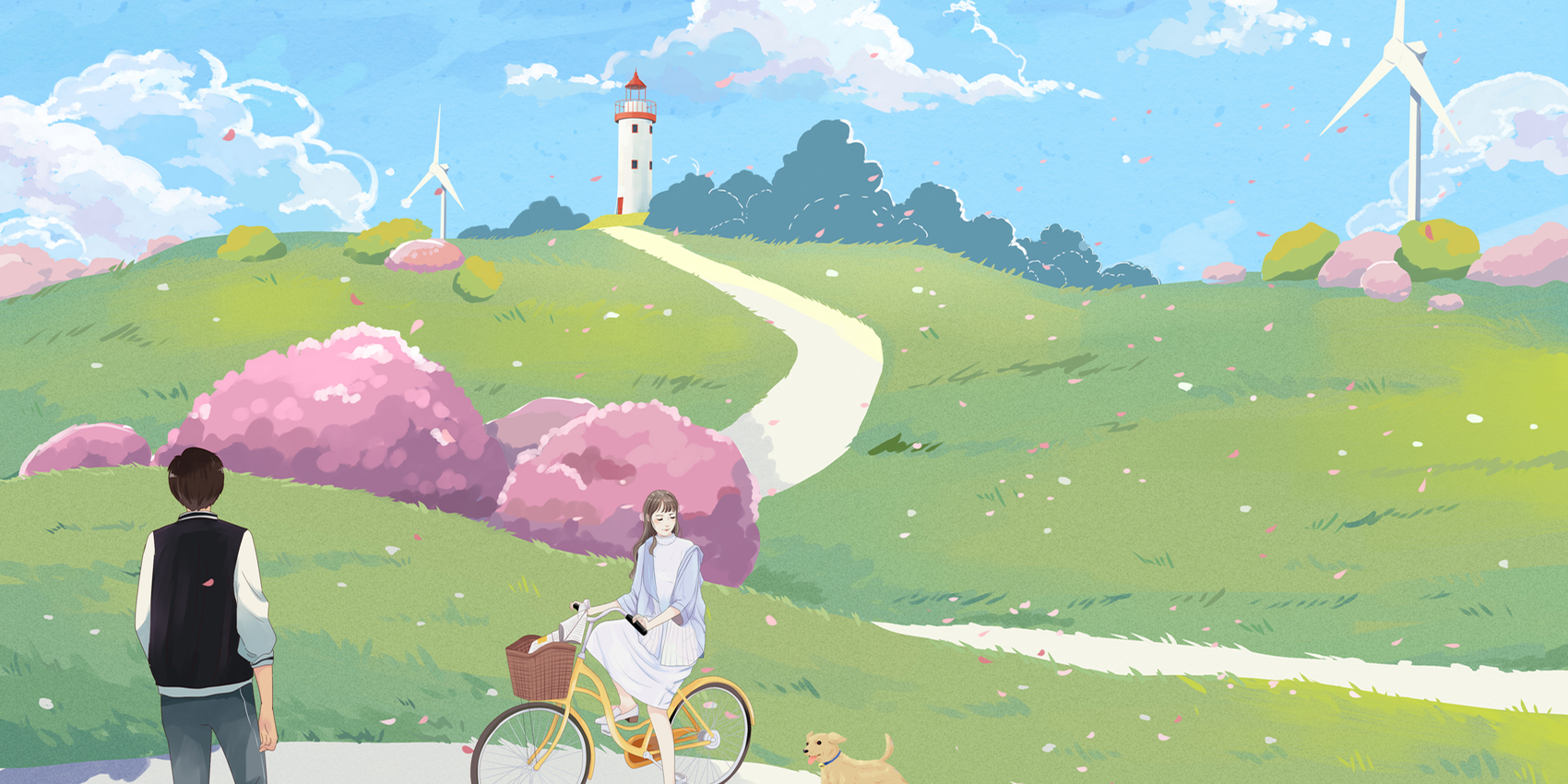
“This world always has more springs to offer.”
这个世界总有更多春天可期。
🔑 Part 2: Vocabulary Builder (10 Words)
Here are 10 key words selected from today’s reading on Nature & Wildlife Documentary:
biodiversity
//ˌbaɪoʊdaɪˈvɜːrsəti//- 🇺🇸 the variety of plant and animal life in a particular habitat
- 🇨🇳 生物多样性
- 📝 The Amazon rainforest is renowned for its unparalleled biodiversity, hosting millions of species.
ecosystem
//ˈiːkoʊsɪstəm//- 🇺🇸 a biological community of interacting organisms and their physical environment
- 🇨🇳 生态系统
- 📝 Coral reefs are among the most fragile ecosystems on Earth, highly sensitive to temperature changes.
predator
//ˈprɛdətər//- 🇺🇸 an animal that naturally preys on others
- 🇨🇳 捕食者
- 📝 The lion, as an apex predator, plays a crucial role in maintaining the balance of the savanna ecosystem.
camouflage
//ˈkæməflɑːʒ//- 🇺🇸 the disguising of an animal’s appearance to blend with its surroundings
- 🇨🇳 伪装
- 📝 The chameleon’s remarkable camouflage allows it to evade predators and ambush prey.
migration
//maɪˈɡreɪʃən//- 🇺🇸 seasonal movement of animals from one region to another
- 🇨🇳 迁徙
- 📝 The annual wildebeest migration across the Serengeti is one of the most spectacular wildlife events.
nocturnal
//nɒkˈtɜːrnəl//- 🇺🇸 active at night rather than during the day
- 🇨🇳 夜间活动的
- 📝 Owls are nocturnal hunters, relying on their keen hearing and vision in darkness.
symbiosis
//ˌsɪmbaɪˈoʊsɪs//- 🇺🇸 a mutually beneficial relationship between different organisms
- 🇨🇳 共生
- 📝 The clownfish and sea anemone exhibit a classic example of symbiosis, with both species benefiting.
endangered
//ɪnˈdeɪndʒərd//- 🇺🇸 at risk of extinction
- 🇨🇳 濒危的
- 📝 The documentary highlights the plight of endangered species like the snow leopard.
habitat
//ˈhæbɪtæt//- 🇺🇸 the natural home or environment of an animal or plant
- 🇨🇳 栖息地
- 📝 Deforestation is destroying the natural habitat of countless species, pushing them toward extinction.
adaptation
//ˌædæpˈteɪʃən//- 🇺🇸 a characteristic that helps an organism survive in its environment
- 🇨🇳 适应
- 📝 The polar bear’s thick fur and layer of blubber are key adaptations to arctic conditions.
📖 Part 3: Deep Reading
The Hidden Lives of the Wild: A Journey Through Untamed Ecosystems
In the realm of nature documentaries, every frame is a testament to the relentless ingenuity of evolution. From the vibrant canopies of tropical rainforests to the desolate expanse of polar ice caps, ecosystems thrive on a delicate balance that humans are only beginning to comprehend.
Consider the intricate dance of predator and prey. The cheetah, armed with explosive speed, must outmaneuver the gazelle’s erratic zigzagging—a high-stakes chase where milliseconds decide survival. Yet, such scenes are not merely tales of violence; they underscore the profound interconnection of all life.
Take, for instance, the symbiotic relationship between bees and flowering plants. Bees collect nectar for sustenance, inadvertently pollinating plants and enabling their reproduction. Without this mutual exchange, entire food webs would collapse.
But nature’s narratives are not always harmonious. Climate change has become an omnipresent antagonist, disrupting migration patterns and forcing species to adapt at unprecedented rates. The Arctic, warming twice as fast as the global average, is witnessing polar bears struggling to hunt as sea ice diminishes.
Despite these challenges, resilience abounds. Certain species exhibit remarkable plasticity: urban-dwelling coyotes have adjusted their nocturnal habits to avoid human activity, while some coral polyps show signs of heat tolerance.
Ultimately, wildlife documentaries serve as a mirror, reflecting both nature’s splendor and its fragility. They remind us that we, too, are part of this intricate tapestry, and that our actions ripple through entire ecosystems.
💡 Language Highlights
- ‘From the vibrant canopies… to the desolate expanse…’ - This parallel structure contrasts two extreme habitats, using vivid adjectives to create a sense of scope and diversity.
- ‘A high-stakes chase where milliseconds decide survival’ - Here, ‘high-stakes’ is an idiom meaning a situation with serious risks, and ‘milliseconds decide survival’ uses hyperbole to emphasize the critical timing of the chase.
- ‘Climate change has become an omnipresent antagonist’ - The metaphor ‘omnipresent antagonist’ personifies climate change as a villain, making the abstract concept more tangible and dramatic.
Note: The article itself is written in a professional, engaging style typical of NatGeo, combining vivid description with ecological insight.
(Content generated by DeepSeek AI; Quote source: Iciba)